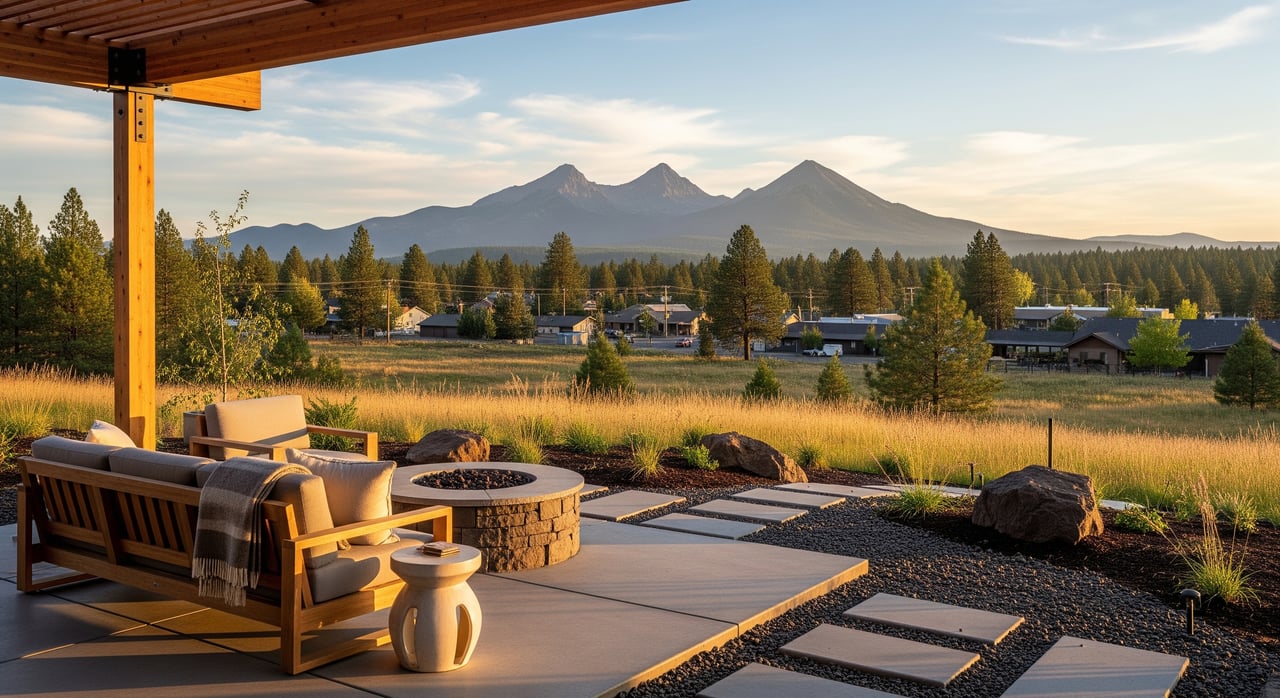
Do you picture yourself walking to coffee, galleries, and festivals, or waking up to quiet skies with room for a shop, animals, or gear? If you are weighing downtown Sisters against the town’s edges or nearby rural parcels, you are not alone. Each option offers a distinct rhythm, from small-town sidewalk energy to wide-open privacy. This guide breaks down the lifestyle trade-offs, home types, utilities, rules, costs, and wildfire realities so you can choose with confidence. Let’s dive in.
Downtown Sisters: walkability and community
Living near the core puts you steps from shops, galleries, and cafes. You can easily join signature events and parades, including long-standing arts and seasonal festivals centered on downtown streets and nearby parks. Daily errands are simple, though you will likely drive to Bend for hospitals and big-box retail. Expect a lively social feel and frequent chance encounters.
Outskirts and rural: space and privacy
On the edges of town or nearby rural areas, you trade walkability for room to breathe. Larger lots support gardens, outbuildings, RV or equipment storage, and sometimes livestock or hobby horses, subject to zoning. Neighbors are more spread out, so social time often means planned trips into town. Expect quieter nights, starry skies, and a stronger connection to the landscape.
Outdoor access and recreation
- Downtown: You are close to local trails, greenspaces, outfitters, and guided trips. Many community events celebrate the outdoors, and you can walk to farmers markets and gear shops.
- Outskirts: You often shave minutes off drives to forest roads, trailheads, and dispersed recreation. Larger lots make it easier to store trailers, boats, and off-road vehicles.
Homes, lots, and styles
- Downtown: You will see historic cottages, bungalows, smaller single-family homes, and some mixed-use buildings. Lots are smaller with limited space for large shops. Character homes may come with older infrastructure or historic-style design considerations.
- Outskirts: Expect ranch-style and custom homes, farmhouses, cabins, and log homes. Parcels range from larger subdivision lots to acreage with views. There is more flexibility for detached shops and accessory buildings, subject to zoning and permits.
Utilities and services
- Water and sewer: Inside city limits, municipal water and sewer are typically available. Outside city limits, most properties rely on private wells and septic systems. For rural parcels, budget for well feasibility, septic design and installation, and ongoing maintenance.
- Broadband and cell service: Downtown generally has better wired and wireless coverage. Rural speeds and coverage vary by address, so verify actual provider options before you buy.
- Power, heat, and roads: Electricity is served by regional utilities. Natural gas is not universal, so many homes use electric, propane, wood, or pellet heat. The city maintains in-town streets, while county or private parties handle many rural roads. Rural driveways often require owner snow removal and grading.
Zoning and permitting basics
- Inside city limits: City zoning supports higher density and mixed uses. The City of Sisters handles building permits and code compliance.
- Outside city limits: Deschutes County controls land use. Many parcels fall under Rural Residential or Exclusive Farm Use with minimum lot sizes and use rules. Rural buyers commonly interact with well permits, septic approvals, county building permits, and any farm or forest-use regulations. Always confirm what the zoning allows before planning animals, shops, or short-term uses.
Wildfire risk and insurance
Sisters sits in a region with seasonal wildfire risk due to surrounding forests and dry summers. Both downtown and rural properties share exposure, but rural parcels may have longer response times and more vegetation to manage. Fire protection is provided locally, including the Sisters-Camp Sherman Fire District. Insurance costs and availability can be influenced by proximity to hydrants and stations, so verify insurability, plan defensible space, and consider ember-resistant building features.
Costs and maintenance reality
- Downtown: Smaller lots mean less yard and driveway work. Municipal utilities simplify billing and maintenance. Some areas may have HOA or historic-style guidelines.
- Outskirts: Expect higher ongoing maintenance for wells, septic systems, driveways, and private roads. You may also budget for fire mitigation work and equipment storage. If a rural property is in a subdivision, check for CCRs or HOA responsibilities.
Who each area fits
- Choose downtown if you value walkability, quick errands, and frequent community events. You prefer smaller lots and less exterior maintenance, and you want an easy home base for day-to-day life.
- Choose the outskirts if you want acreage, privacy, room for a shop or animals, and faster access to forest roads and trailheads. You are comfortable driving for errands and handling more property upkeep.
Quick decision checklist
- Confirm city limits vs. county location to understand utilities and zoning.
- Verify water and sewer: municipal in town, or well and septic outside. Ask for recent well logs, water tests, and septic records if available.
- Check broadband options and real speeds by address.
- Contact the local fire district about risk, response coverage, and defensible-space guidance for the property type.
- Review comparable sales to understand how walkability or acreage drives value.
- Clarify road maintenance and snow removal for private drives and shared roads.
- Confirm school attendance boundaries through Sisters School District if that matters to you.
- Identify any HOA, CCRs, or historic-style requirements for downtown blocks.
- For rural parcels, schedule soil and site evaluations for septic, and confirm well feasibility early in due diligence.
How to choose your fit
Start with your daily rhythm. Do you want to stroll to a latte and local art, or tinker in a shop with a view of the mountains? Next, check the basics that affect budget and comfort, like utilities, internet, road maintenance, and insurance. Then, weigh your recreation priorities and the time you want to spend driving versus walking. With a clear checklist, your ideal Sisters vibe becomes much easier to spot.
Ready to compare live listings and neighborhoods side by side, or talk through wells, septic, and wildfire considerations before you tour? Reach out to Amanda Johnson for local, client-first guidance across Sisters and Central Oregon.
FAQs
What is downtown Sisters living like for errands and events?
- You can usually walk to shops, galleries, cafes, and seasonal festivals in the compact core, with drives to Bend for hospitals and larger retail.
Do rural Sisters properties have wells and septic systems?
- Outside city limits, most homes rely on private wells and septic; budget for feasibility checks, permits, installation or upgrades, and ongoing maintenance.
How does wildfire risk affect homes near Sisters?
- Both downtown and rural areas face seasonal wildfire risk; insurance, defensible space, and proximity to hydrants or stations can influence coverage and cost.
How far is Sisters from Bend for major services?
- Plan roughly a 30 to 40 minute drive to Bend, depending on your destination, traffic, and season.
What steps should I take before buying acreage near Sisters?
- Verify zoning and allowed uses, check well and septic feasibility, confirm internet options, clarify road maintenance, and consult the local fire district on mitigation.