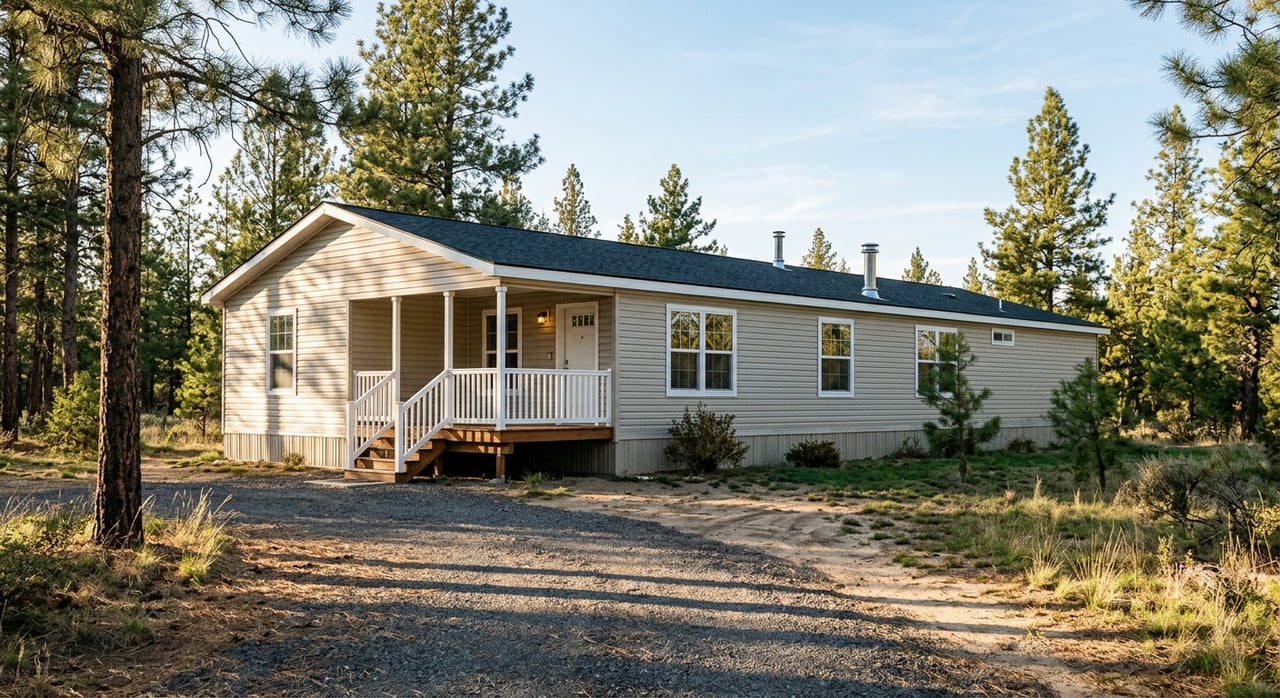
What if you could own a home and some elbow room without stretching beyond your budget? In La Pine, many buyers do exactly that by choosing a manufactured home on a small acreage parcel. You get space for projects, pets, and privacy, plus access to Central Oregon’s lifestyle. The key is knowing how financing, utilities, inspections, and wildfire risk work here.
This guide gives you a clear plan: what to check, who to call, and how to avoid surprises. You will learn how lenders view manufactured homes, what to confirm on wells and septic, and what due diligence protects your money and timeline. Let’s dive in.
Why La Pine works for budget buyers
Manufactured homes on modest acreage can be a lower-cost path into Central Oregon. When the home meets program requirements and sits on a permanent foundation, conventional buyers can often access mortgage options. Agencies like Fannie Mae support mortgages on manufactured homes when property eligibility rules are met, which helps with long-term affordability and refinancing potential. Fannie Mae’s manufactured housing guidance outlines the basics lenders follow.
That value comes with tradeoffs. Financing rules are specific, and rural parcels often have private wells and septic systems that need careful review. A clear checklist keeps your deal on track.
Permits, installation, and county rules
Deschutes County treats manufactured homes as regulated installations. You must confirm zoning compliance, obtain permits, and pass county inspections for installation, septic, electrical, and final sign-off. Always verify permit history and installation records before you commit. Start with the county’s resource on manufactured home permits and inspections.
Important for buyers: do not assume a parcel has a usable well or septic. Check county records, request O&M and pumping reports, and confirm whether the property is in a current or planned sewer or water service area. Some La Pine neighborhoods will remain on septic, while others may see sewer expansion over time. Your purchase timeline and costs can depend on these details.
Utilities on small acreage in La Pine
Wells and water basics
Many small-acre parcels use private wells. Oregon law allows certain permit-exempt domestic uses within limits, and newer wells often require mapping or recording. Confirm what applies to your parcel and get documentation. Ask for the well log, pump details, yield, and recent water-quality tests. Review the statute summary in Oregon’s ORS 537 and confirm specifics with your inspector and title company.
Septic systems and records
Septic systems are common and must meet County and DEQ standards. Failing systems are a public health priority and repairs are enforced. During due diligence, request the septic permit, as-built plan, pumping records, and any O&M contract. If records are missing or unclear, bring in a licensed septic professional for evaluation. Deschutes County’s Onsite/Septic program explains permits, maintenance, and how to verify what is on the property.
Power, heat, and internet
Much of La Pine is served by Midstate Electric Cooperative. Contact the utility early to confirm service availability, meter capacity, and whether lines are overhead. Many rural homes use a mix of electric, propane, and wood heat. Overhead lines and nearby fuels can affect wildfire risk and insurance, so factor that into your evaluation. See Midstate’s service information and contacts in their member resources.
Roads, access, and winter
Confirm whether your access is a county-maintained road or a private easement. If private, determine who maintains it, how it is plowed, and if there are shared costs. Winter access and long driveways can impact daily life, deliveries, and emergency response.
Financing basics for manufactured homes
Chattel vs mortgage loans
You generally have two paths:
- Chattel or personal-property financing if the home remains titled like a vehicle.
- A real-property mortgage if the home is legally converted to real property and sits on a permanent foundation.
Conventional lenders and most government-backed programs require that the home is real property with a compliant permanent foundation to buy or insure the loan. Fannie Mae’s eligibility rules are a good reference for what underwriters expect.
What lenders require most
- HUD Code compliance. Homes built on or after June 15, 1976 carry HUD labels and data plates. Your lender and appraiser will ask for photos.
- Permanent foundation. Many loans require a certification by a licensed engineer or architect confirming the foundation meets HUD’s Permanent Foundations Guide for Manufactured Housing. Learn what that means in HUD’s Permanent Foundations Guide reference.
- Installation verification. Some lenders request an installation certificate such as HUD-309 or a local equivalent.
- Proper titling. To qualify for a mortgage, the home’s personal-property title is often retired and recorded as real property with the county at closing.
FHA, USDA, and VA options
FHA provides two different frameworks. Title I can insure certain home-only or lot loans with product-specific limits, and Title II insures mortgages when the home is eligible real property. Ask lenders which program they offer and what documents they require. Review the basics in HUD’s Title I guidance.
USDA and some VA programs can finance manufactured homes when both the home and foundation meet program rules and the area is eligible. Lender participation varies, so confirm early. Here is a helpful USDA overview of manufactured-housing eligibility in their program fact sheet.
Due diligence checklist for La Pine buyers
Use this as your action plan once you find a property you like:
- HUD label and data plate. Request clear photos showing HUD certification and the data plate with make, model, and serial number. Lenders need this.
- Foundation certification. If you want a mortgage, order an engineer’s or architect’s certification that the foundation meets HUD standards. If it does not, get quotes for bringing it into compliance. See HUD’s foundation reference for what professionals evaluate.
- Installation documentation. Ask for an installation certificate such as HUD-309 or a local equivalent, if available.
- Septic inspection and records. Gather the permit, as-built, pumping records, and any O&M contract. If unknown, make your offer contingent on a full septic inspection. The county’s Onsite/Septic page outlines what to look for.
- Well log and water testing. Request well depth, equipment, reported yield, and recent water-quality tests. If the well is an exempt domestic use, confirm any required recording or limits under ORS 537.
- Full home inspection. Use an inspector experienced with manufactured homes. Ask them to review the roof, skirting, tie-downs, HVAC, plumbing, electrical, and any additions for proper permits and workmanship.
- Title and taxes. Verify whether the home is recorded as personal property or real property and check for liens or back taxes.
- Wildfire and insurance. Get an insurance quote early and have the property’s defensible space reviewed. Start with local guidance from the La Pine Rural Fire Protection District.
- Access and easements. Confirm who maintains the road, how it is plowed, and that legal easements are recorded.
- Lender pre-approval. Work with a lender that actively finances manufactured homes for your chosen product type. Share the HUD label photos, foundation details, and installation info early.
Wildfire risk and how to prepare
La Pine is in a wildfire-prone area, and insurers are paying close attention to defensible space and building features. During due diligence, schedule a defensible-space assessment, clear gutters and vents, note nearby fuels, and budget for vegetation management. The La Pine Rural Fire Protection District’s wildfire safety page offers practical home-hardening and yard-maintenance guidance.
Pro tip: insurance availability and premiums can vary with wildfire exposure. An early quote can save you from last-minute surprises and help you compare properties more accurately.
Step-by-step path to a smoother purchase
- Get pre-approved with a lender that regularly finances manufactured homes. Confirm whether you are pursuing chattel or a real-property mortgage and what the foundation and titling requirements are.
- Filter listings for key criteria: HUD label visible in photos, year built, permanent foundation, and notes on well and septic.
- Write a contract with the right contingencies: foundation certification, installation documentation, septic and well reports, clear title, and an insurance quote.
- Book specialists immediately: a manufactured-home-savvy inspector, a PE or architect for the foundation, a licensed septic professional, and a well tester.
- Confirm titling and recording steps with your title company so the home can be treated as real property if you plan a mortgage.
- Review reports, negotiate repairs or credits, and proceed to closing with confidence.
How I help you win in La Pine
Here is how I make this process easier and safer for you:
- I pre-screen listings for HUD labels, year of manufacture, permanent foundations, and any clue about title status, well and septic permits, and utility service.
- I bring in the right pros early: manufactured-home inspectors, a PE or architect for foundation certification, and licensed septic and well specialists.
- I connect you with lenders who actively finance manufactured homes for your intended loan type and explain the tradeoffs in rate, term, and documentation.
- I structure smart contingencies so you can investigate HUD-309 or installation documentation, foundation compliance, well and septic health, and insurance before you are locked in.
Ready to explore small-acreage living?
If you want space, value, and a smooth process, La Pine can be a great fit. I will help you filter the right properties, line up trustworthy specialists, and navigate county permits, lending rules, and wildfire considerations with confidence. When you are ready, reach out to Amanda Johnson. Let’s connect and map your next step.
FAQs
What counts as a permanent foundation for a La Pine manufactured home mortgage?
- Most mortgage programs require an engineer or architect to certify the foundation meets HUD’s Permanent Foundations Guide. Your lender will specify the exact report needed.
How do you confirm a private well is legal and safe in Deschutes County?
- Request the well log and recent water tests, then confirm any permit-exempt status under Oregon’s water law. Your inspector and title team can help verify records and compliance.
What septic records do you need when buying small acreage in La Pine?
- Ask for the septic permit, as-built drawing, pumping history, and any maintenance contract. If records are missing, make your offer contingent on a full septic inspection.
Can you use FHA, USDA, or VA for manufactured homes in La Pine?
- Often yes if the home meets program rules, is on a permanent foundation, and is recorded as real property. Documentation varies, so check with a lender who regularly funds these loans.
How does wildfire risk affect insurance for rural La Pine homes?
- Insurers weigh defensible space, roofing and vents, nearby fuels, and access. An early quote and a site-specific wildfire assessment help confirm availability and budget for premiums.