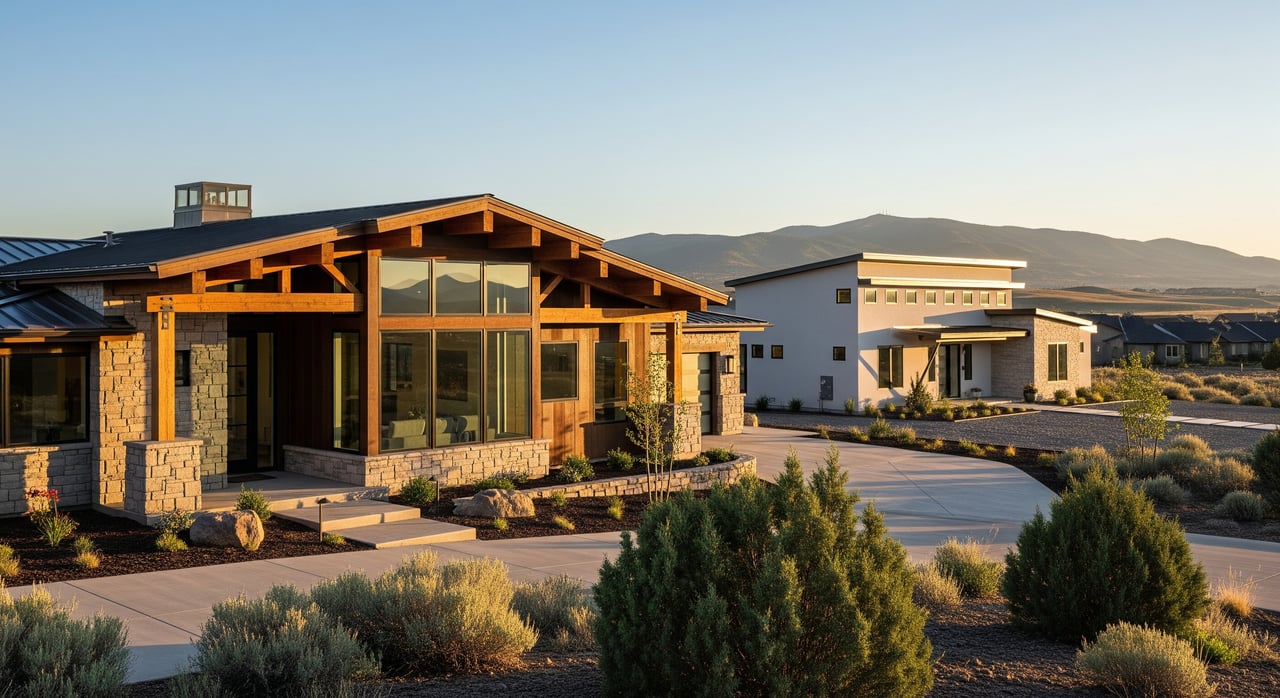
You are weighing new construction in Prineville and wondering which path fits best: a move-in-ready spec home or a custom build shaped around your vision. It is a big decision, especially in a smaller Central Oregon market where timelines, utilities, and permitting can influence your plans. In this guide, you will learn how each option works, what to expect with costs, financing, and permits in Prineville and Crook County, and the practical steps to move forward with confidence. Let’s dive in.
Spec vs custom at a glance
What is a spec home
A spec home is built by a builder without a committed buyer. It is designed for inventory, then listed when complete or near completion. You get faster move-in potential and a more predictable price because the plan and finishes are largely set. Some builders offer limited upgrades before closing.
What is a custom build
A custom build is designed and constructed to your specifications. You choose the lot, plan, and finishes, and you will have more decisions at every stage. It typically takes longer and can carry more risk for changes and cost overruns, but you gain the highest level of design control.
Prineville factors to weigh
Local lots and utilities
In and around Prineville, lot availability and infrastructure capacity are major drivers. Inside city limits, water and sewer access, systems development charges, and utility hook-ups can affect where and how builders build. In rural Crook County, well and septic feasibility and permits are critical parts of early due diligence. The status of utilities and site work can influence both your total budget and your timeline.
Permits and codes in Crook County
All structural, electrical, plumbing, and mechanical work typically requires permits and inspections under Oregon building codes. The City of Prineville oversees permits in city limits, while Crook County oversees rural permitting. If you are looking at a custom lot, confirm which jurisdiction applies, what permits you need, and how inspections are scheduled. Always verify contractor licensing through the Oregon Construction Contractors Board and confirm bonding and insurance before you sign a contract.
Timeline realities in Central Oregon
Spec homes can close quickly if they are complete or near completion, sometimes within weeks to a few months. Custom builds require more time for design, permitting, and construction. Weather, subcontractor availability, site conditions, and change orders all affect the schedule. In Prineville, permit review times and utility connections can influence the overall pace, so plan for contingencies and avoid making hard commitments based on best-case timing.
Cost and financing basics
Cost drivers to watch
Every project is different, but some themes are consistent:
- Land and lot readiness. Finished lots with utilities stubbed often reduce site costs compared to raw land.
- Site work. Grading, drainage, retaining walls, driveway, and access can add significant cost on custom lots.
- Foundation type. Slab, crawl space, or basement choices are influenced by soil, frost depth, and slope.
- Standardization vs customization. Spec builders often leverage volume purchasing and established plans. Custom choices, complex architecture, and high-end finishes add cost.
- Upgrades and allowances. Even with spec inventory, upgrades beyond the builder’s standard package increase the final price.
- Carrying costs. Builder financing, taxes, and insurance on spec inventory shape list prices and incentives.
Financing paths that fit
- Spec homes. Once a spec home has a certificate of occupancy, you can generally use conventional, FHA, VA, or USDA financing if you qualify. Builders sometimes offer limited incentives, but your main approval process looks like any completed home purchase.
- Custom builds. Construction loans disburse funds by draw schedule and often convert to a permanent mortgage when the home is complete. Expect to provide a detailed budget, plans, and a builder contract. Down payment requirements can be higher than standard mortgages, and your lender will order inspections at each draw.
- Appraisals and approvals. For homes under construction, appraisals can be based on plans and comparable sales. If the appraised value differs from the budget, you may need to adjust scope or financing.
Design control and resale
With spec homes, you typically accept the plan and most finishes, which keeps costs more predictable and can align well with comparable properties nearby. With custom builds, you control the layout and selections, which can produce a perfect fit for your lifestyle. For resale, broadly appealing design choices and durable materials tend to help marketability. Overly personalized features may not add value in line with their cost.
How to decide for your situation
Consider these quick prompts:
- Choose a spec home if you want a faster move-in, simpler financing, and a predictable budget with fewer decisions.
- Choose a custom build if you have a clear vision, flexibility on timing, and the appetite to manage decisions, changes, and site-specific unknowns.
- Either path can work well in Prineville if you verify utilities, confirm permits and inspections, and align your purchase with current local demand and neighborhood comparables.
Working with builders wisely
Verify credentials and warranties
- Confirm an Oregon Construction Contractors Board license, proof of insurance, and bonding.
- Ask for recent Prineville or Crook County projects and references.
- Review warranty terms in writing. Many builders offer limited workmanship and materials coverage, separate mechanical coverage, and longer structural coverage, but terms vary by contract.
- Clarify warranty claim procedures and timelines before you sign.
Contract, allowances, and inspections
- Get a detailed list of inclusions and dollar allowances for finishes before you commit.
- Understand the change order process, pricing, and how it affects the schedule.
- Build in inspection rights, including pre-drywall and final inspections. Even new homes benefit from third-party inspectors.
- Verify that all required permits will be pulled and that a certificate of occupancy will be issued before closing.
Buyer checklists
Spec home checklist in Prineville
- Property basics. Confirm lot size, orientation, drainage, HOA rules if any, and setbacks.
- Permits and CO. Ask for documentation showing proper permits and the certificate of occupancy timeline.
- Builder history. Review local projects, references, and CCB licensing.
- Inclusions and upgrades. Get clear written specifications and costs for any upgrades.
- Timeline and closing. Confirm anticipated close and any contingencies for delays.
- Inspection rights. Schedule independent inspections before closing.
- Utilities and fees. Verify water, sewer, or rural service details and any connection or impact fees that apply.
Custom build checklist in Crook County
- Lot feasibility. Assess topography, access, drainage, and any HOA or setback constraints.
- Utilities. Verify city water/sewer availability or well and septic requirements for rural sites.
- Plans and budget. Align design scope with a realistic budget that includes site work and contingencies.
- Builder contract. Nail down inclusions, allowances, change orders, schedule, and dispute resolution terms.
- Permits. Confirm which jurisdiction oversees your project and how inspections are scheduled.
- Financing. Meet lender requirements for construction draws, appraisals based on plans, and down payment.
- Inspections and punch-list. Define milestones for quality checks and how final punch-list items are handled.
Common mistakes to avoid
- Skipping due diligence on utilities or septic feasibility. Early confirmation can save months and avoid unexpected costs.
- Underestimating site work. Driveway, grading, drainage, and retaining walls can materially affect budgets.
- Over-customizing beyond neighborhood comparables. Highly personalized features may not return their cost at resale.
- Not building inspection rights into the contract. Independent inspections help protect your investment.
- Assuming permit timelines. Always verify current review times and plan for delays.
Next steps in Prineville
If you are leaning toward a spec home, start by identifying inventory that fits your budget, location preferences, and timeline. Confirm inclusions, upgrade options, and how quickly you can close once the home receives a certificate of occupancy. If you are considering a custom build, begin with lot due diligence, a realistic budget that accounts for site work, and a clear understanding of financing, permits, and builder responsibilities.
When you are ready to compare properties or structure a smart offer, reach out for local guidance tailored to your goals. If you want a calm, organized process and clear next steps, connect with Amanda Johnson to talk through your plan.
FAQs
What is the main difference between spec and custom homes in Prineville
- Spec homes are built for inventory with limited choices and faster move-in, while custom builds are designed to your specifications with longer timelines and more decisions.
How do permits work for new construction in Crook County
- The City of Prineville handles permits in city limits and Crook County handles rural permits; all structural, electrical, plumbing, and mechanical work typically requires permits and inspections under Oregon codes.
What financing should I expect for a custom build in Central Oregon
- Custom projects commonly use construction or construction-to-permanent loans with draw schedules, higher down payments, and appraisals based on plans and comparables.
Do spec homes in Prineville still need inspections before closing
- Yes, independent inspections are recommended for both spec and custom homes to verify quality, catch defects, and confirm that work matches the plans and permits.
How do builder warranties typically work on new homes in Oregon
- Many builders offer limited workmanship and materials coverage, separate mechanical coverage, and longer structural coverage; review the contract for exact terms, exclusions, and claim procedures.