West Side vs East Side: What Living In Bend Really Feels Like
February 5, 2026
February 5, 2026
Trying to decide which side of Bend to call home? You are not alone. Many buyers weigh the west side’s walkable riverfront lifestyle against the east side’s newer homes and extra space. In this guide, you will see what daily life looks like on each side so you can match your priorities to the right neighborhoods. Let’s dive in.
Locals usually use the Deschutes River and downtown as the dividing line. Areas west of downtown and the river make up the “west side,” while neighborhoods east of downtown are the “east side.” Boundaries are informal, so it helps to orient around landmarks like the Old Mill District, Pilot Butte, and Shevlin Park, along with major roads such as US‑97 and Highway 20.
The summary: the west side is older, denser, and more walkable near the riverfront and downtown. The east side is generally newer, more suburban, and residential with larger lots and quick access to extensive trail systems. Both sides offer excellent outdoor recreation and easy access to the broader Central Oregon playground.
On the west side, you will see a larger share of older housing close to downtown. Expect historic bungalows, Craftsman and mid‑century homes, plus older apartments and pockets of recent infill. Lots tend to be smaller, and many streets feel intimate and tree lined.
The east side leans newer, with planned subdivisions and contemporary single‑family homes. Many neighborhoods were built in the last 10 to 20 years and come with practical layouts and storage.
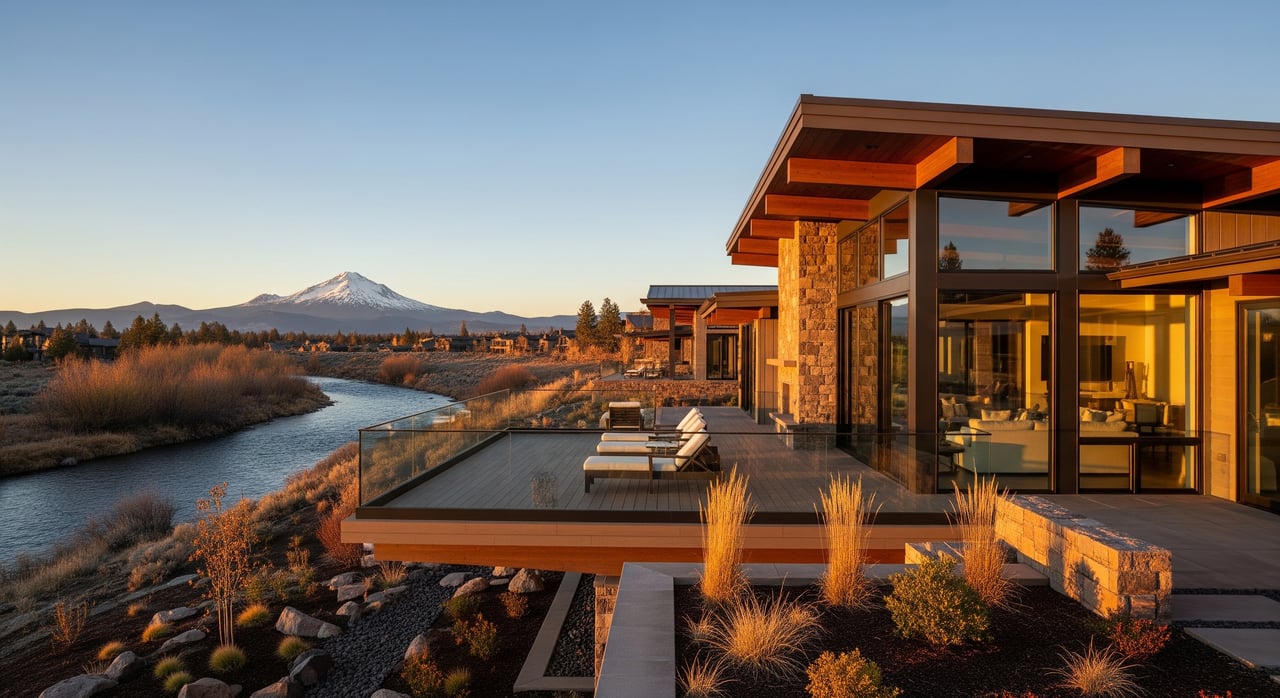
If the riverfront calls to you, the west side puts you close to the Deschutes River corridor. Drake Park and Mirror Pond offer easy green space near downtown, and the Old Mill District sits right along river trails. It is simple to grab a quick walk, ride a bike to dinner, or put in a paddleboard.
If you want big trail days, the east side places you near larger forested tracts and foothills. Many east‑side neighborhoods have quick trailhead access or connectors to extensive networks. Landmarks like Shevlin Park and Skyline Forest sit within easy reach, and Pilot Butte offers a short hike with broad city views.
Bend life includes snow days and frequent trips to mountain recreation. From both sides of town, you can reach Cascade Lakes and Mount Bachelor for skiing and snowshoeing with similar drive times. Think about storage for skis, bikes, and paddle gear, as well as morning and afternoon travel times to your favorite trailheads.
The west side concentrates independent restaurants, brewpubs, cafes, galleries, and entertainment. Downtown and the Old Mill District make it easy to meet friends, catch events, and handle weekly errands without getting in the car.
The east side focuses on car‑friendly shopping corridors, grocery‑anchored centers, and neighborhood service nodes. You can often handle essentials close to home without crossing downtown traffic.
Many civic services and major healthcare employers are in or near central Bend, with St. Charles Health System as a notable hub. In practice, access times depend more on where you live relative to central corridors than on east versus west alone.
Most residents drive, and commute times hinge on your start and end points. West‑side residents who work downtown often enjoy shorter trips or the option to walk or bike. East‑side commuters to downtown may see longer peak‑hour drives, especially when crossing the river or during busy visitor seasons.
Bend’s cycling infrastructure and trail connectivity continue to grow, with west‑side and riverfront routes generally friendlier for daily errands and rides downtown. Public transit exists but has limited coverage compared with larger metros. If you plan to rely on buses, review current routes and schedules in advance.
Older homes on the west side may have limited off‑street parking. Newer properties on the east side more often include garages, driveways, and space for RVs or equipment. If parking is a priority, verify each property’s setup during showings.
Remote and hybrid work have shifted commute needs for many households. If you work from home, you may value a dedicated office, strong internet options, and easy access to your favorite parks and trails over traditional commute times.
Use this simple filter to match your lifestyle to the right side of town:
Remember, Bend has plenty of exceptions. Some west‑side streets feel quiet and suburban, and some east‑side pockets have strong neighborhood centers. Tour a few areas at different times to feel the rhythm for yourself.
Bend offers two great versions of the same outdoor‑forward lifestyle. If you want help narrowing your search, mapping commute tests, or planning tours that compare west‑side charm with east‑side space, reach out. You will get local guidance, clear next steps, and a calm, organized process from start to finish. Connect with Amanda Johnson to get started.