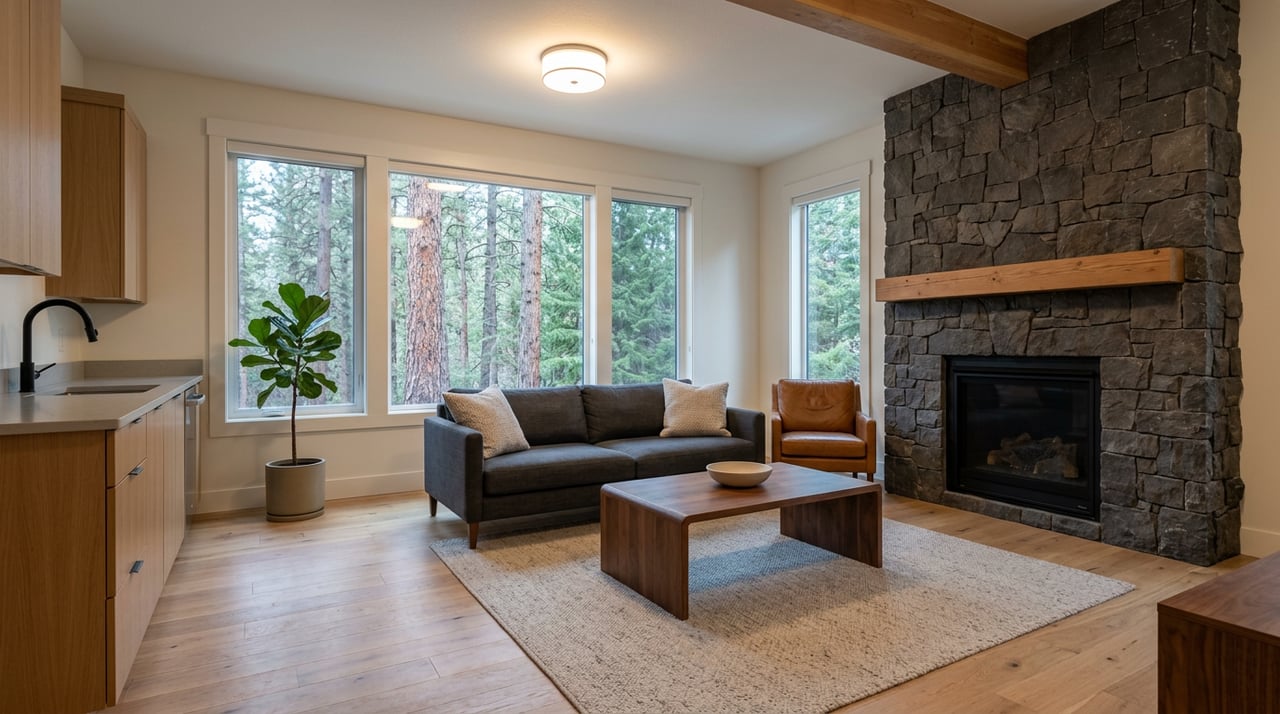
Thinking about buying a vacation rental in Sunriver but not sure where to start? You are not alone. Sunriver blends a true resort lifestyle with income potential, yet the rules and costs are unique. In this guide, you will learn the key regulations, what guests expect, how to budget, and the steps to evaluate a property with confidence. Let’s dive in.
Why Sunriver stands out
Sunriver is a purpose-built resort community with year-round draw. Visitors come for river access, bike paths, golf, and SHARC in summer, then shift to Mt. Bachelor skiing and holiday travel in winter. That dual seasonality creates steady interest across more months than many vacation markets. You can get a feel for Sunriver’s destination amenities through the local attractions overview from the chamber of commerce.
Sunriver’s owner and guest experience is shaped by the Sunriver Owners Association (SROA). Amenities and pathways are carefully managed, which is part of the appeal for guests and owners. As a buyer, it is important to learn how SROA programs, assessments, and guest rules tie into your operating plan.
Rules and permits to know
Buying a vacation rental here is not just about the house. It is about compliance. Here are the core items to confirm before you write an offer.
County Transient Room Tax
If you rent for stays of fewer than 30 days, you must register with Deschutes County for the Transient Room Tax and collect and remit the county’s 8 percent tax. Registration and reporting are required even if a platform collects some taxes for you. Verify who files what so your returns are accurate.
SROA guest rules and expectations
SROA sets community standards you must pass through to guests. Quiet hours typically run from 10 pm to 7 am. Pathways, parking, and trash rules are enforced, and violations can affect your standing. Review SROA’s owner guidance so your house rules match local expectations.
Recreation Plus Program (RPP)
Most vacation-rental owners buy the Recreation Plus Program so guests can access SHARC and other SROA amenities. RPP is annual and not prorated, fees are tiered by bedroom count, and the number of recreation cards is tied to the county occupancy formula of 2 people per bedroom plus 2. Confirm if a home is already enrolled and budget the yearly fee.
SROA assessments
SROA charges an owner maintenance assessment. A recent example posted for 2026 is $172.94 per month. Some homes also carry a SHARC assessment or bulk internet charge. Always review the exact billing for the parcel you are buying so your cash flow model is accurate.
Policy watch in Deschutes County
County leaders have been reviewing a formal short-term rental licensing program that could add items like a 24/7 local manager requirement, trash service standards, occupancy and fire-safety rules. Rules can change. Before you commit, check the current county status and factor possible changes into your risk assessment.
Demand and seasonality
Sunriver has a clear summer peak driven by SHARC, biking, and river activities, plus a winter peak tied to Mt. Bachelor and holidays. Spring and fall are often slower shoulder seasons.
Performance metrics vary by data source. One market summary reported an average occupancy near 51 percent for a recent 12-month period. Another source shows a wider distribution, with top performers above roughly 64 percent and a lower median. That spread is normal. Actual results depend on bedroom count, proximity to amenities, design, pricing, and management. Use third-party dashboards for direction, then validate with listing-level history before you bid.
During peak periods, larger or higher-end homes can command daily rates in the several-hundred-dollar range, but averages swing widely. The right way to underwrite is to gather the seller’s historical booking calendars and monthly revenue, then build a conservative 12-month pro forma.
What guests expect in Sunriver
Guest expectations here are well defined. Plan for these if you want stronger demand:
- Amenity access. Many travelers look for SHARC access through the RPP. If you do not include it, be clear in your listing.
- Reliable Wi-Fi. Sunriver attracts remote workers and families who stream and game.
- Bikes or secure bike storage. The community has 30 to 40-plus miles of paved paths.
- Hot tub care. If you advertise a hot tub, keep a service contract and log.
- Parking clarity. Driveway-only parking is strictly enforced in Sunriver. Spell this out.
- House rules. Include quiet hours and pathway safety in your guidebook and pre-arrival notes.
Listings that clearly communicate amenity access and house rules tend to perform better and avoid fines.
Budgeting and ongoing costs
Getting your numbers right upfront will save headaches later. Build your model around these common line items.
Fixed and recurring costs
- SROA maintenance assessment. Use the posted example of $172.94 per month as a reference and verify the current amount for the specific property.
- Recreation Plus Program. Annual fee is tiered by bedroom count and can be several thousand dollars. The number of cards is tied to legal occupancy.
- Property taxes and mortgage. Rates vary. Your loan type and down payment will affect this line.
- Utilities and services. Heat and AC if present, trash, snow removal, septic or sewer, landscaping, and internet. Sunriver homes may have different utility setups, so confirm details during due diligence.
Operating and turnover costs
- Cleaning and linen turnover. Costs vary with size and season. Budget higher cleaning volume during peak months.
- Property management. Full-service vacation-rental managers often charge about 20 to 30 percent of rental revenue. Co-host or partial-service options can be lower, usually 10 to 20 percent or flat fees. Compare what is included, such as dynamic pricing, 24/7 guest support, housekeeping, and maintenance coordination.
- Insurance. Do not rely on platform coverage. Short-term rental policies or commercial general liability can cover exposures that platforms do not. Ask an insurance agent about business income coverage, contents, and any requirements for hot tubs or other amenities.
Build a simple P&L
- Start with gross rental revenue based on verified listing history or very tight comps.
- Subtract platform fees, the 8 percent Transient Room Tax, management percentage, and cleaning fees.
- Subtract SROA maintenance, RPP, utilities, insurance, routine maintenance at 5 to 10 percent of gross, and capital reserves for big-ticket items like roof, HVAC, or hot tub.
- Stress-test your plan with shoulder-season assumptions so you are not relying on peak months alone.
Local management and vendors
Sunriver has several established local managers who bring vendor networks, RPP logistics, hot-tub service coordination, and snow removal know-how. Ask for sample owner statements, a clear service list, response protocols, and how they handle pricing and maintenance. A capable local team often pays for itself through time savings, better guest reviews, and fewer emergencies.
Financing and taxes
How you finance and report income will shape returns and risk.
Second home vs investment property
Lenders treat second homes and investment properties differently. If the home will be rented most of the year, many lenders will classify it as an investment, which often comes with higher rates, larger down payments, and reserve requirements. Review the Fannie Mae guidance with your lender and be clear about intended occupancy on your application. Misstating occupancy can have serious consequences.
Federal tax basics
Rental property tax rules cover how you track income and expenses, personal use limits, depreciation, and passive activity rules. Short-term rentals with personal use can have different outcomes, so involve a CPA early. IRS Publication 527 is a useful primer and a good agenda-setter for that conversation.
How to evaluate a Sunriver rental
Use this step-by-step process to move from shortlist to smart offer.
- Get the SROA account printout and current invoice. Confirm the maintenance fee and any SHARC or bulk internet assessments for the specific parcel.
- Confirm RPP status and history. Check whether the seller currently buys RPP and how many recreation cards are issued. Budget the annual fee and align with the legal occupancy of 2 people per bedroom plus 2.
- Gather performance history. Ask for calendar exports and monthly revenue statements. Reconcile with third-party dashboards, but underwrite from the raw booking data.
- Verify county requirements. Register for the county’s Transient Room Tax and ask about any active or pending rule changes that could affect operations.
- Interview local managers. Request written proposals with management percentage, cleaning pricing, inclusions, emergency response, and owner portal access. Compare apples to apples.
- Talk to your lender and CPA early. Align loan classification and reserves with your plan and map out your tax approach before you finalize your offer.
Common pitfalls to avoid
- Skipping county registration for TRT or assuming platforms file everything for you.
- Assuming a home includes RPP when it does not, or underbudgeting the annual fee.
- Marketing occupancy beyond the legal limit of 2 per bedroom plus 2.
- Overestimating revenue based only on market dashboards rather than verified booking history.
- Underestimating cleaning, hot-tub, snow, and minor maintenance costs in peak season.
- Relying on platform coverage instead of setting up proper short-term rental insurance.
- Ignoring potential county rule changes that may add operating requirements.
Ready to explore Sunriver?
If Sunriver fits your lifestyle and investment goals, the next step is a property-by-property review with real numbers. I can help you gather the right documents, build a conservative pro forma, and navigate SROA and county requirements so you buy with clarity. To start a focused search or talk through your plan, connect with Amanda Johnson.
FAQs
What is the Transient Room Tax for Sunriver rentals?
- Deschutes County requires an 8 percent tax on stays of fewer than 30 days, and you must register and file with the county even if a booking platform collects some taxes for you.
How does the Recreation Plus Program work for guests?
- RPP is an annual SROA program that owners buy to give guests access to SHARC and other amenities, with fees tiered by bedroom count and recreation card quantities tied to legal occupancy.
What are Sunriver’s typical peak seasons for bookings?
- Summer sees strong demand for SHARC, biking, and river activities, and winter brings a second peak tied to Mt. Bachelor and holidays, while spring and fall are usually slower.
How are occupancy limits set for Sunriver vacation homes?
- Deschutes County’s guideline is 2 people per bedroom plus 2, and the RPP card count aligns with that limit, so market and manage your home to that standard.
What do full-service managers usually charge in Sunriver?
- Many full-service short-term rental managers charge about 20 to 30 percent of rental revenue, with co-host or partial-service options available at lower rates depending on inclusions.
Do I need special insurance beyond platform coverage?
- Yes, a short-term rental or commercial liability policy is recommended because platform programs are not a substitute for tailored coverage that addresses property, liability, and lost-rental income.